‘Primetime’ Reshapes Cinematic Reality with Its Unconventional Visual Approach
Lance Oppenheim’s ‘Primetime’ blurs the lines between documentary, fiction, and manufactured reality through groundbreaking cinematography that draws on everything from colonoscopy cameras to early 2000s TV aesthetics.

Lance Oppenheim’s latest film, ‘Primetime,’ isn’t your typical documentary or narrative. It’s a visual experiment that challenges viewers’ perceptions of reality, blending footage shot with a colonoscopy camera, clips from early 2000s television, and staged scenes that evoke the manufactured worlds of reality TV and crime shows. Oppenheim’s approach creates a disorienting, hyperreal atmosphere that pushes the boundaries of conventional filmmaking.
Central to ‘Primetime’ is its innovative cinematography, which incorporates seemingly invasive and intimate camera angles, such as the colonoscopy footage that offers a visceral glimpse into the inner workings of the human body. This choice underscores the film’s exploration of voyeurism and the constructed nature of televised reality. Oppenheim’s use of these techniques reflects his fascination with how media creates fabricated but persuasive worlds, blurring the line between truth and fiction. More context: Craft.
The film also draws inspiration from the early aughts, with a visual style that resembles the grainy, slightly distorted aesthetic of leaked cam scans—like the notorious ‘Die My Love’ footage—adding a documentary roughness that enhances its unsettling tone. This layered approach immerses viewers in a world that feels both real and manipulated, echoing the tension found in the works of Abbas Kiarostami and Orson Welles, who blurred the boundaries between fiction and reality. More context: Craft.
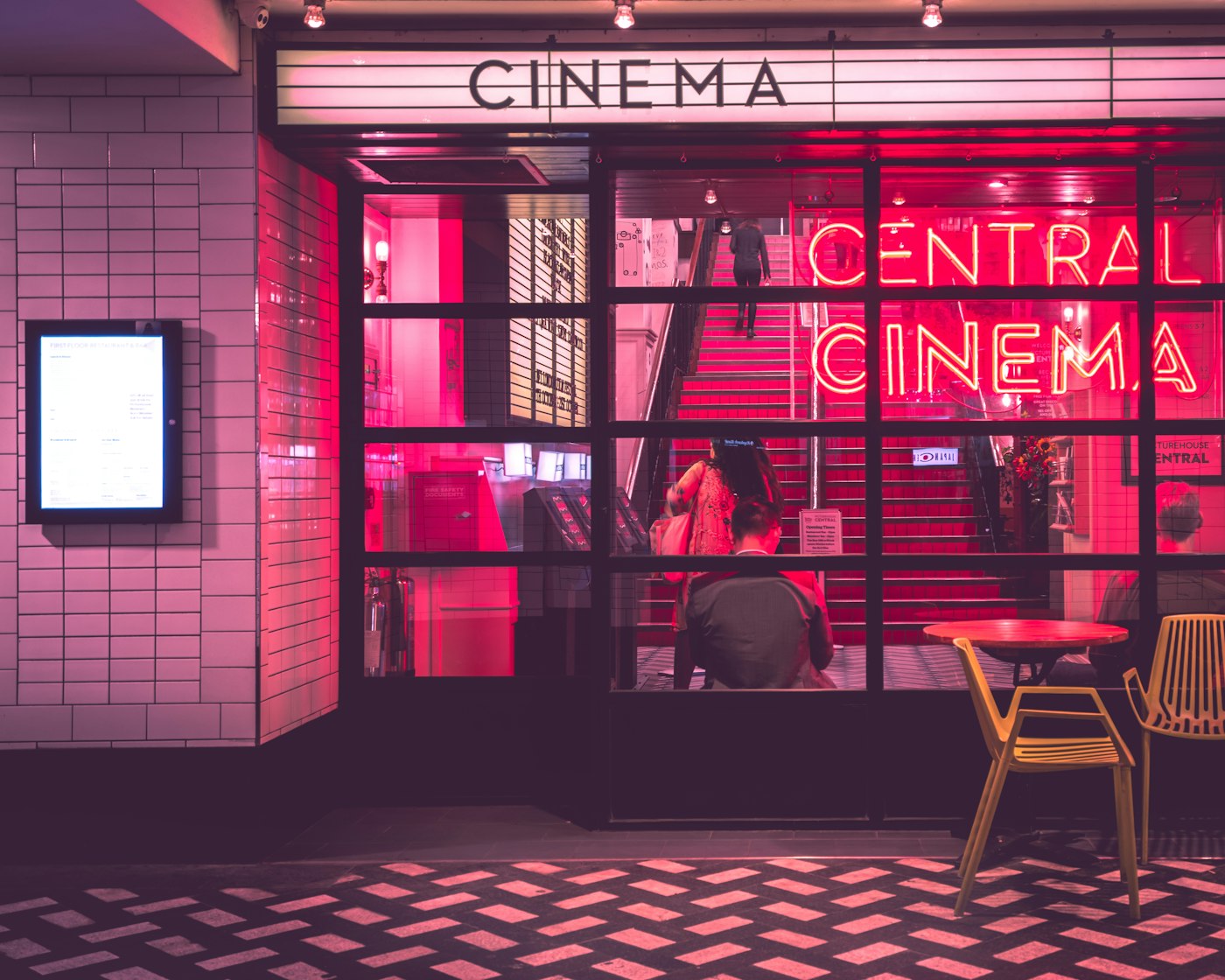
Oppenheim’s concept extends to staging scenes that mimic the set design of crime and talk shows, such as Chris Hansen’s ‘To Catch a Predator,’ creating a manufactured reality that’s both familiar and alien. He describes the environment as a space where time seems to freeze, almost like Tarkovsky’s ‘Stalker,’ where the laws of physics and perception are subtly altered. This approach invites viewers to question what’s genuine and what’s constructed, making ‘Primetime’ a haunting meditation on media’s power to shape perception.
In a creative coup, Oppenheim’s cinematography employs techniques that make the audience feel like they’re peering through a series of invasive, voyeuristic lenses, forcing a confrontation with the uncomfortable truths about how televised narratives are fabricated. The film’s visual language underscores its themes of manufactured realities and explores how media can create zones where the usual rules of gravity, physics, and morality are bent, offering a fresh perspective on documentary filmmaking’s potential to mimic fiction.
Related
 Awards · October 11, 2026Disability Representation Shines at The DARCYS 2026: 'The Pitt' and 'Take Me Home' Take Top Honors
 Awards · October 7, 2026‘The Social Reckoning’ Fails to Capture the Oscar-Recognized Spark of Its Predecessor
 Film · September 25, 2026Ben Mankiewicz Ranks Stanley Kubrick’s Top Five Films in New Podcast Episode
Desk notes
Quiet so far. Add the first desk note.